01 — output
Define what must exist
Name the working artifact first: the report that has to land, the dashboard someone opens, the workflow that has to fire. That's the target.
I'm Seigfred, an AI architect. I design AI systems end to end — the data model, the agents, the pipelines, and the product around them — then ship them to production, where they turn manual, repetitive operations into systems that run on their own.
A few of the things I've designed end-to-end — from the trigger that kicks them off to the report that lands in someone's inbox.
A multi-tenant SaaS that lets martial-arts schools run realistic AI voice roleplays, auto-scores every call with OpenAI, and manages staff, scenarios, analytics and plans across schools.
View projectA self-serve creative studio for martial-arts schools — upload a logo, uniform and dojo photos, pick a guided brief, and get on-brand images and ads generated in the background, credit-metered, and saved to a private gallery.
View projectSelf-serve Meta ads for martial-arts schools — generates ad creatives from the school's own references, publishes campaigns to Meta, then imports every lead and follows up with an AI conversation over SMS.
View projectThe agency's internal OS — ClickUp tasks land as reviewed drafts, then a resumable pipeline builds HighLevel sub-accounts step by step. Two more departments run social posting to Social Planner and AI roleplay training for client success.
View projectChosen for reliability and how cleanly they hand off to each other — most of my systems are two or three of these wired together.
Most automation projects stall because they start from the tools. I start from the thing that has to exist, then trace the path to it. Output, then input, then process.
Name the working artifact first: the report that has to land, the dashboard someone opens, the workflow that has to fire. That's the target.
Identify the data, triggers, and knowledge the output depends on, and where each piece actually lives today — not where I wish it lived.
Wire the pipeline, automate the handoffs, and make it observable — so when something breaks, it's obvious where, and the system keeps running until then.
I'm an AI architect based in the Philippines. I design the system before anyone writes a line — where the data lives, what the AI is trusted to decide, where a person stays in the loop, and what happens when a step fails — then I build it and ship it. Most of that work happens in an agency context, where the goal is always the same: take work that's being done by hand and turn it into something that runs on its own.
That instinct started on the mat. I spent years competing in martial arts — learning to read a situation fast and trust a framework I'd drilled until it was automatic. More recently I took it to the stage, competing in impromptu speaking at the national level: building a structured argument in the minute before I walk on, no script, under pressure. Both are the same move as the systems work — a reliable framework you can lean on when it counts.
Away from all that I run and hike, and I track the numbers while I'm at it, because I'd rather measure a thing than guess at it.
Press the button and talk through what you're trying to automate. You'll be speaking with my AI assistant — not me directly — and it can answer questions about how I work and set up a call.
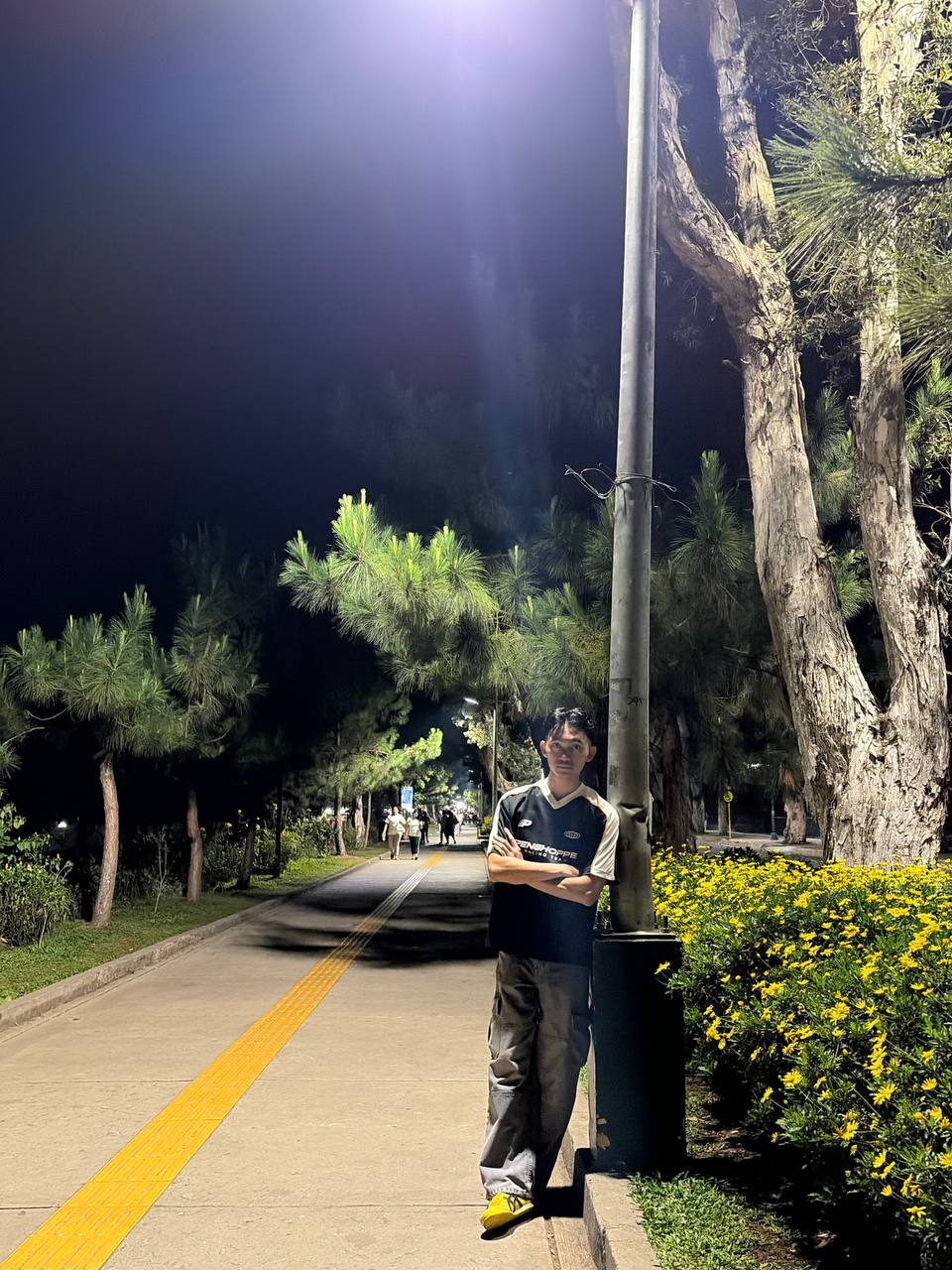 the human behind it
It listens, asks a couple of questions about your manual process, and books a call if it makes sense — no typing, no forms.
Want to pick this up with me?
Tell me what the manual version looks like today, and I'll tell you what it could look like as a system.